Brunette is having its richest season in years, and one shade is leading it. Mocha balayage hair, searches for which are up 949 percent in Pinterest’s latest beauty trend report, paints soft coffee and chocolate tones through a darker base, so the colour looks deep, glossy and expensive rather than highlighted. It is the brunette answer to quiet luxury: dimension you can see, upkeep you barely notice.
This guide collects 18 mocha balayage ideas grouped by tone, from deep espresso melts to cool iced mocha, and every single one comes with the exact words to say in the salon chair. Because the honest truth about balayage is that the photo gets you halfway there. The sentence you say to your stylist gets you the rest of the way. And once the colour is in, our christmas party hairstyles guide has 18 ways to style it for the party season.
Start by choosing your tone family, warm, neutral or cool, in the chooser below. Then find your base colour and your hair type in the ideas. Every shade here sits within two or three levels of a dark base, which is exactly why mocha grows out softly and suits so many skin tones.
What Is Mocha Balayage?
Balayage is a hand painted highlighting technique: your colourist sweeps lightener through the mid lengths and ends freehand instead of wrapping foils to the root. Mocha balayage keeps that painted placement but tones the lifted pieces in coffee, chocolate and cocoa shades, then finishes with a gloss so the whole head reads rich and shiny rather than stripy.
Because the lightness starts away from the roots, regrowth melts in instead of showing a hard line. Most mocha pieces lift a level 4 or 5 base to around a level 6 or 7, a gentle shift that keeps the hair healthier than a big blonde jump and fades gracefully between appointments.
Warm, Neutral or Cool: Choosing Your Mocha
The same mocha family can lean warm, neutral or cool, and the right direction depends on your skin. Warm mochas carry golden brown and caramel ribbons and flatter warm and olive skin, the tones that tan easily and suit gold jewellery. Cool mochas are toned with ash, taupe or a touch of violet, and they flatter fair and cool skin that suits silver. Classic mocha sits in the middle, a balanced chocolate and coffee that honestly suits almost everyone, which is why colourists reach for it first.
Deep and Classic Mocha
Start here if your base is dark brown or black and you want richness without drama. These five keep the roots deep, the ribbons chocolatey and the grow out almost invisible.
1. Classic Mocha Balayage on Dark Brown Hair
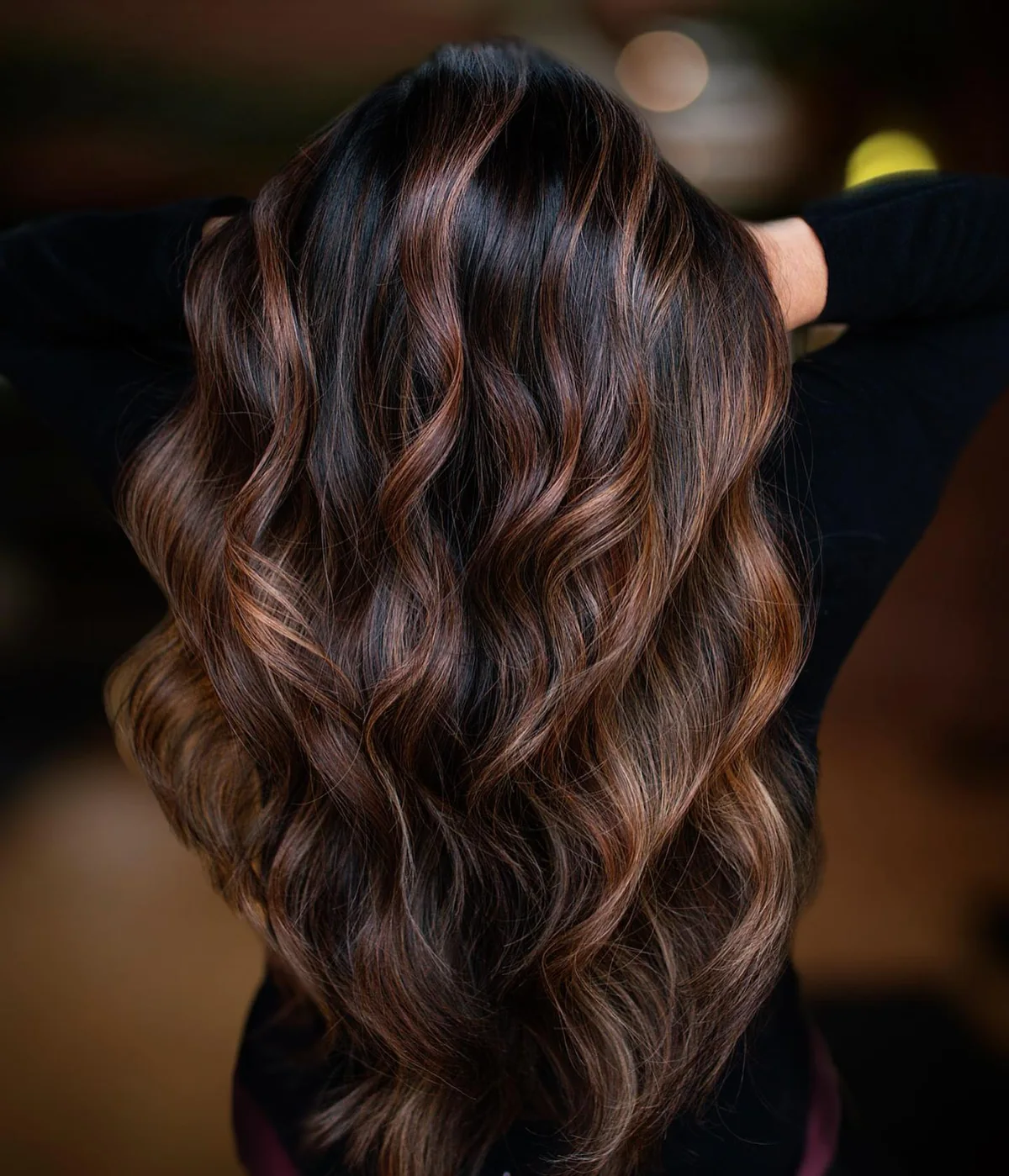
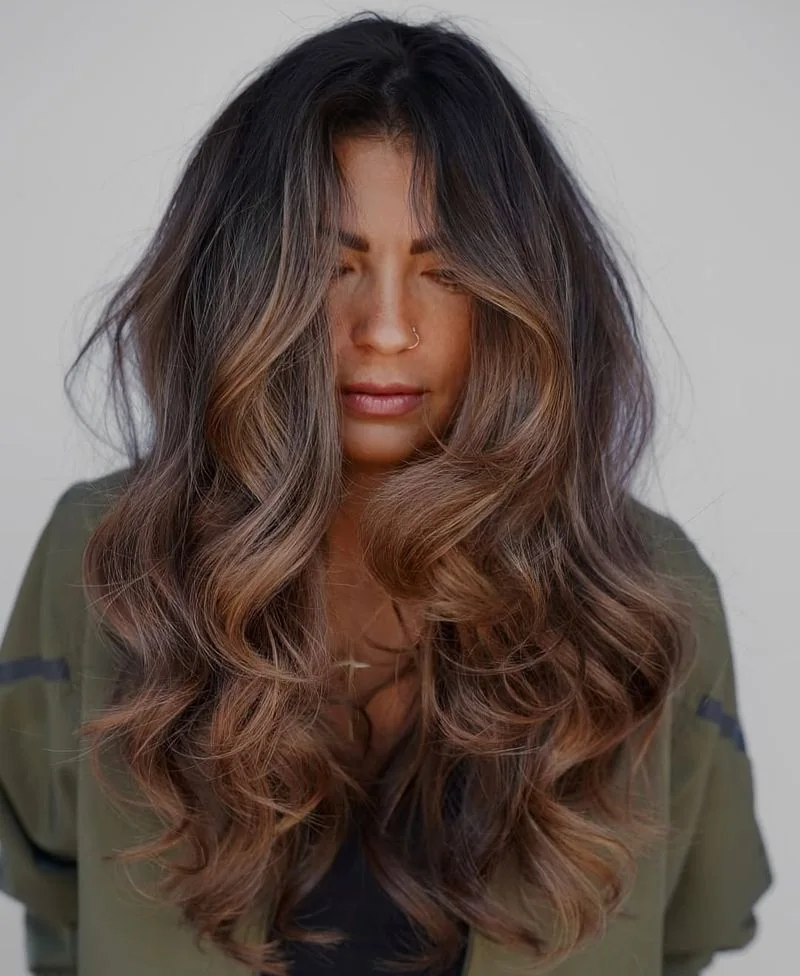
The reference photo for the whole trend. A dark brown base melts into soft mocha ribbons through the lengths, with the lightest pieces sitting low so the top stays deep and the waves do the showing off. It suits nearly every skin tone because the balance of coffee and chocolate never tips too warm or too cool, and it grows out so softly that nobody can date your last appointment.
Ask your stylist: a hand painted balayage in a neutral warm mocha, lightest pieces two levels above your base, finished with a gloss.
2. Espresso Mocha Melt with a Shadow Root
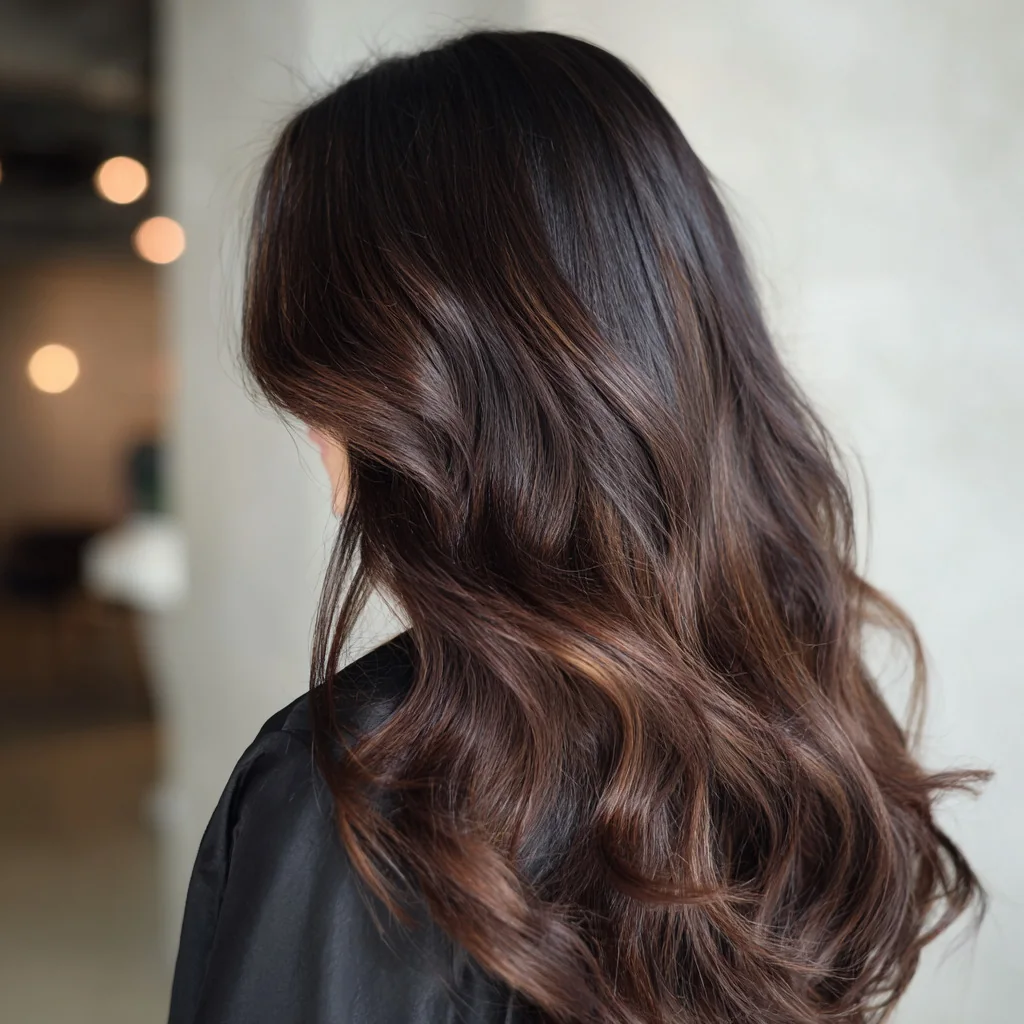
The deepest version in this guide. The root stays a near black espresso, either your own or deepened by your colourist, and mocha light is painted only through the lower half. The shadow root is the whole trick: it stretches appointments further than any other idea here and makes fine hair look thicker at the top. Wear it wavy, because straight styling can hide the melt.
Ask your stylist: for your root to stay deep, painted pieces starting below the ears, and a mocha gloss over everything to blend the join.
3. Mocha Ribbons on Black Hair
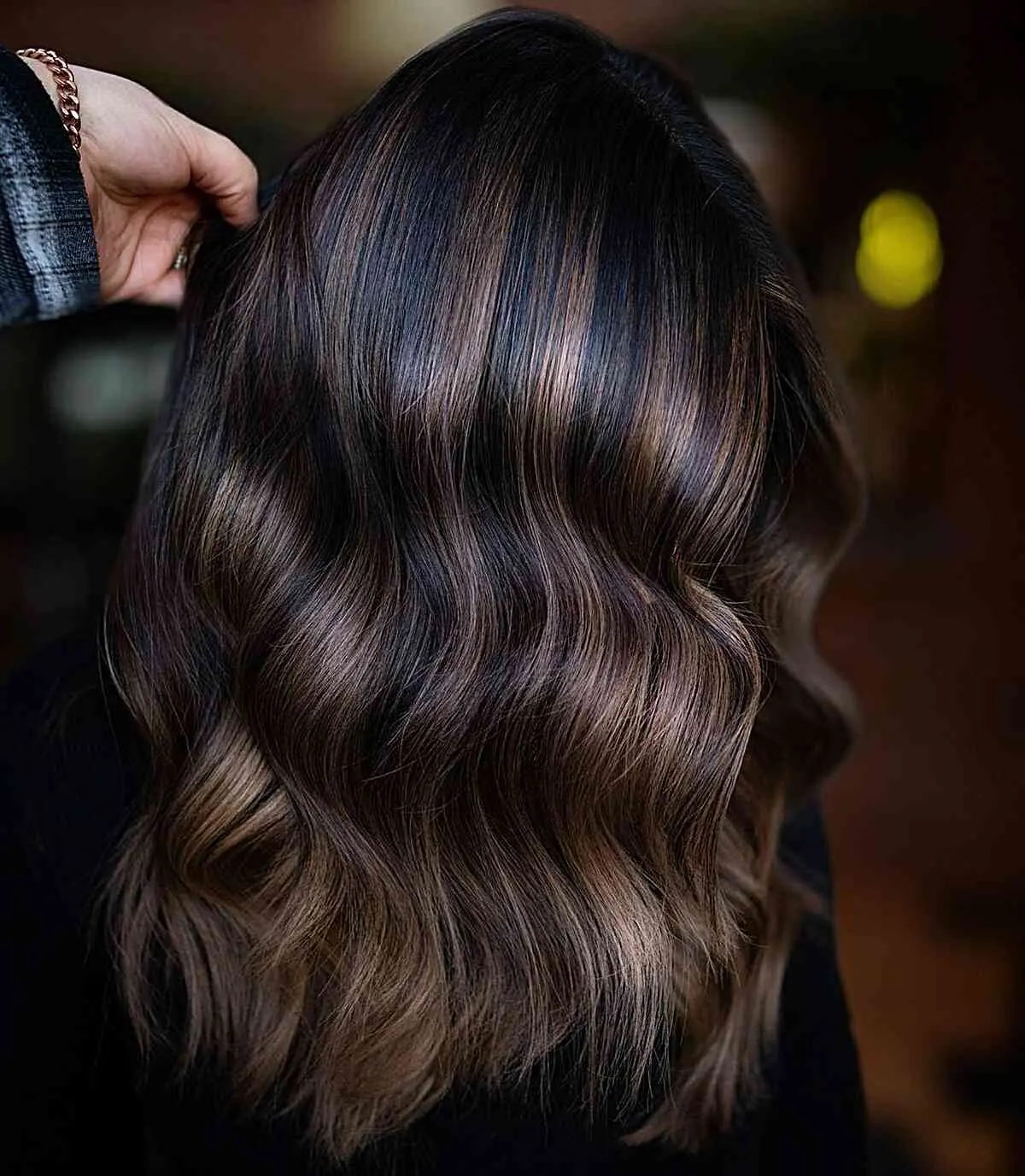
On a black base, fine mocha ribbons add warmth and movement without any risk of looking brassy or striped, as long as they stay fine. Black hair lifts slowly and throws orange on the way up, so this is the one idea where patience is part of the recipe. Expect your colourist to suggest lifting in stages, and say yes: two gentle sessions beat one harsh one every time.
Ask your stylist: how many sessions your base needs, for fine ribbons rather than chunky pieces, and for a bond building treatment during the lift.
4. Subtle Mocha Balayage, Just One Shade Up
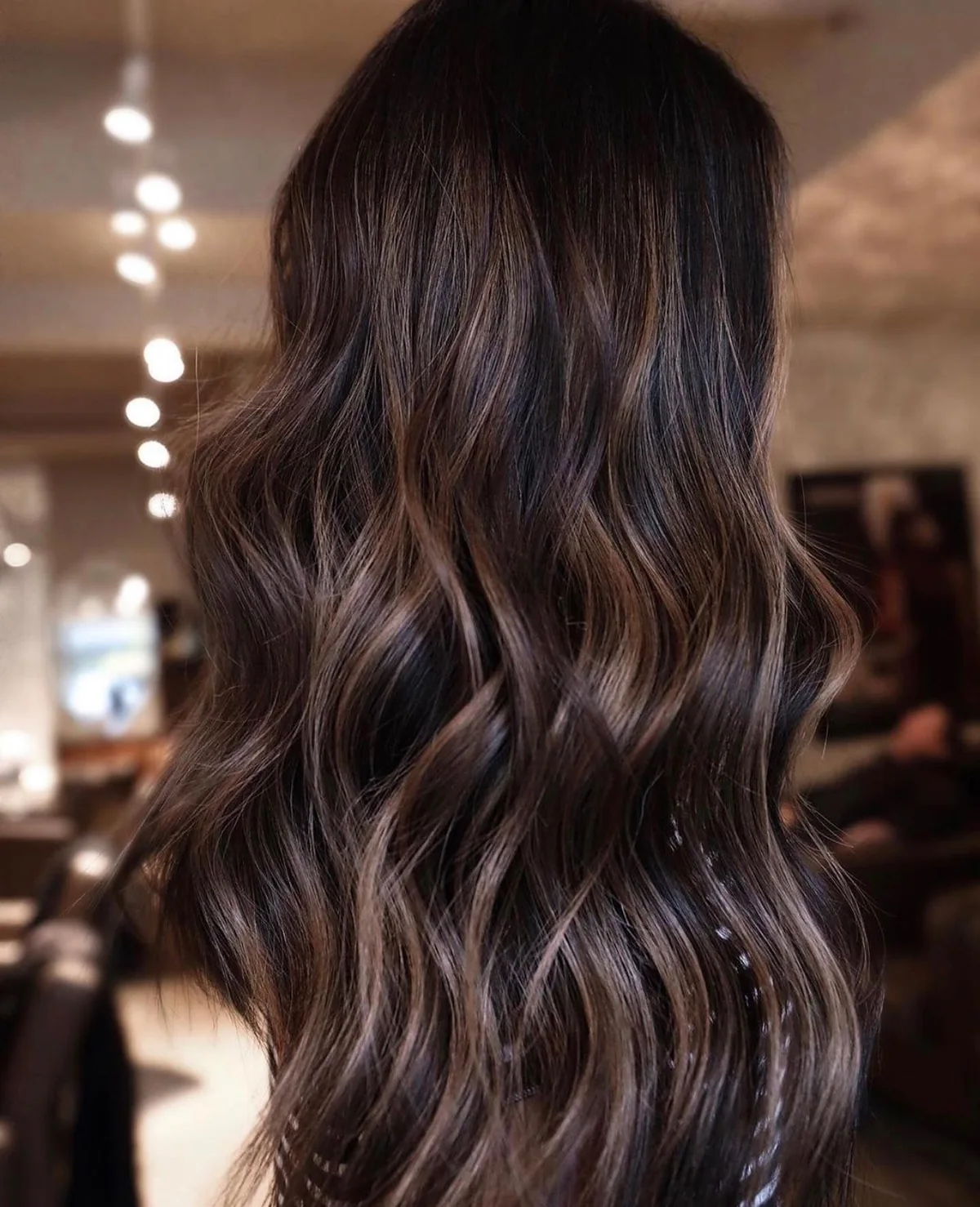
The first time colour version. Pieces sit just one shade above your natural colour, placed sparingly through the ends and around the face, so the change reads as shine and health rather than a new colour. It is the lowest maintenance idea in this guide, the cheapest to keep, and the easiest to grow out completely if you change your mind by spring.
Ask your stylist: for pieces one level lighter than your natural colour only, kept away from the root, with a clear gloss for shine.
5. Chocolate Mocha with Face-Framing Pieces
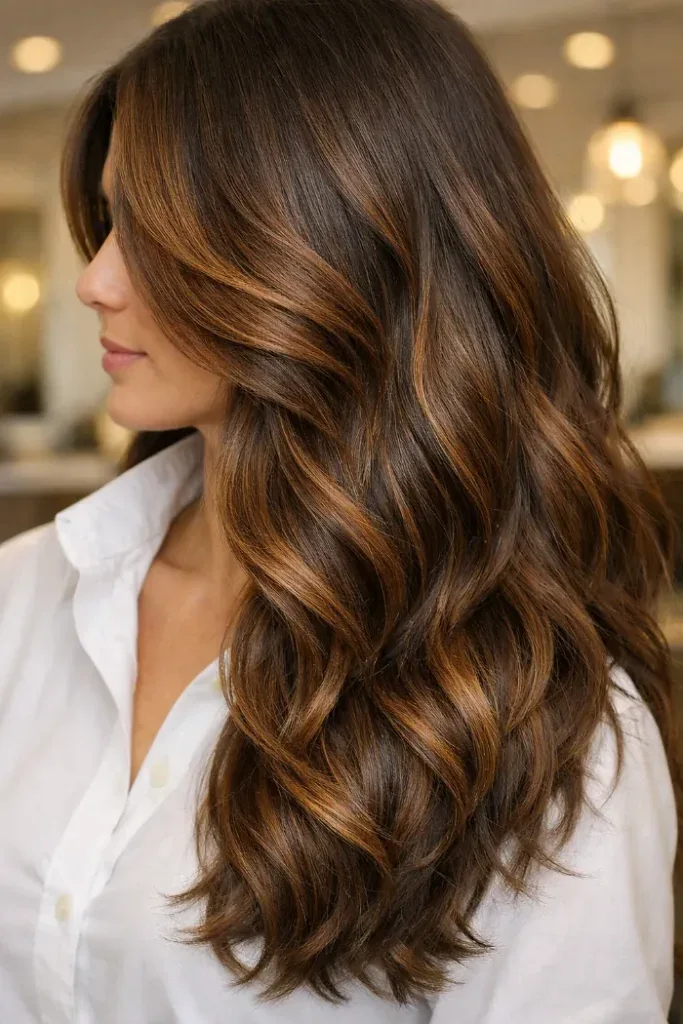
Here the back stays deep chocolate while the front two sections are painted a step lighter, so the brightness sits exactly where light would hit your face. It is the most flattering placement for anyone who wears their hair down most days, and it photographs beautifully because the frame is always in shot. Keep the frame soft rather than solid, or it stops looking like mocha and starts looking like a stripe.
Ask your stylist: for the lightest pieces concentrated around your face, one shade brighter than the back, blended so there is no hard edge.
Warm Mocha: Caramel, Honey and Gold
Warm mochas glow against warm and olive skin and feel the most sunlit of the family. If your jewellery box is mostly gold, start in this group.
6. Mocha Caramel Balayage with Sunlit Ribbons
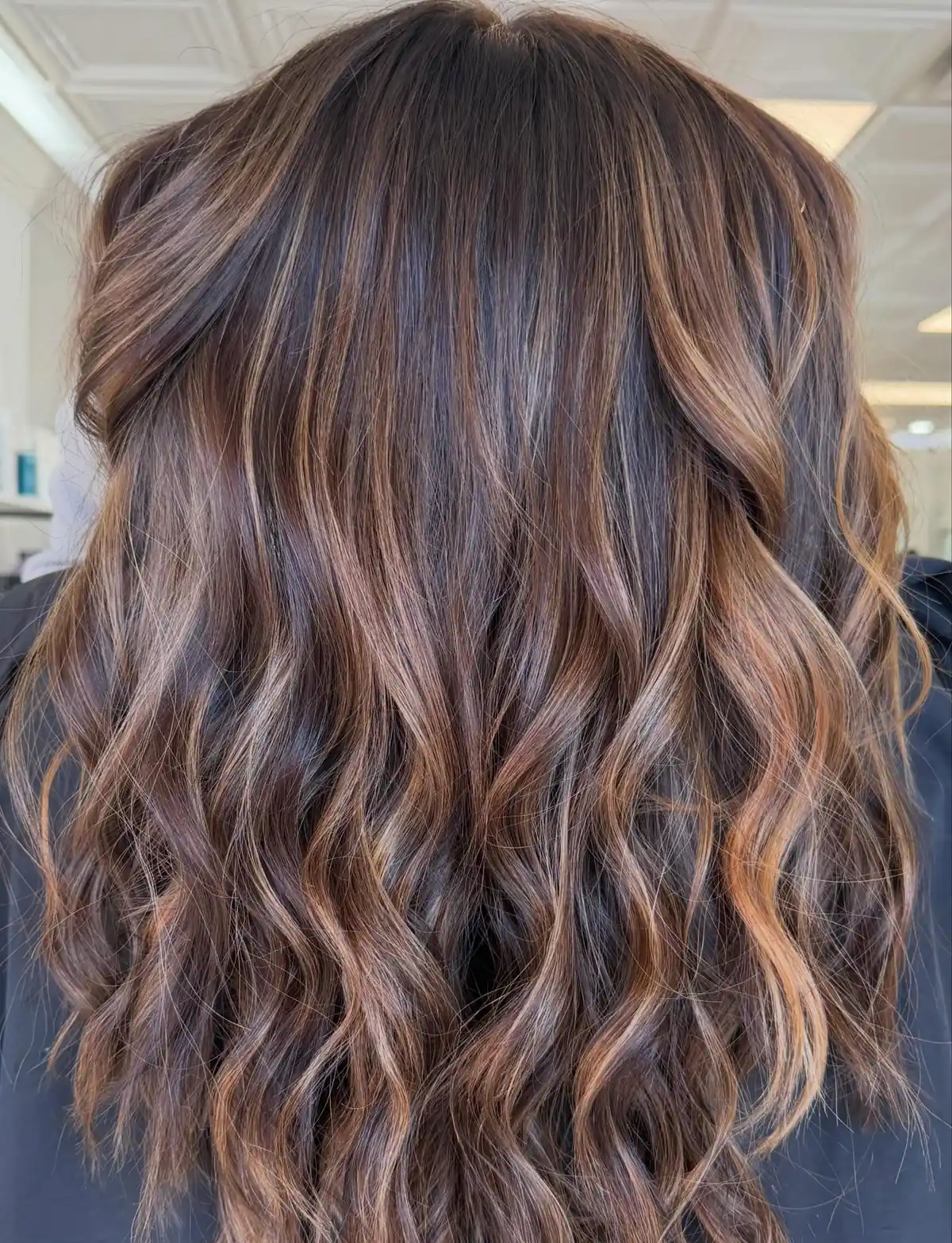
A mocha base with a handful of brighter caramel ribbons woven through the top layers and ends. The caramel is kept peachy and golden rather than blonde, which is what stops it drifting into ordinary highlight territory. This is the warmest wearable version of the trend and the one that gets asked about in the street, because the ribbons catch light every time the hair moves.
Ask your stylist: for a mocha balayage as the main colour, a few caramel pieces near the ends and around the face, and a warm gloss to finish.
7. Golden Mocha with Honey Ends
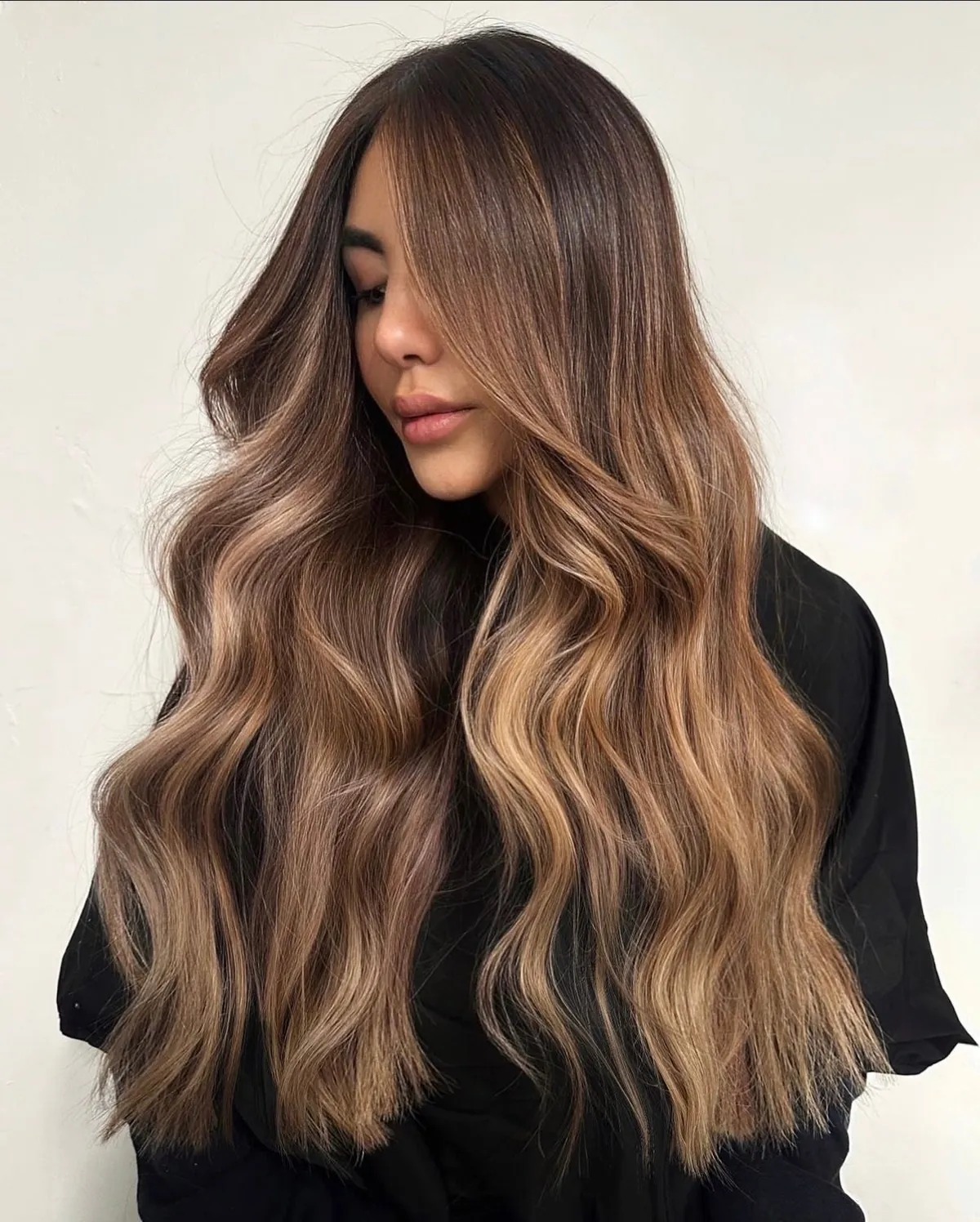
Long hair carries this gradient beautifully: deep mocha at the top warming into honey through the last third. The ends are the oldest, driest part of your hair, so they drink in the golden tone and hold the glow. It flatters warm skin especially well worn in loose waves, and a weekly mask matters more here than with any other idea, because light ends show dryness first.
Ask your stylist: for the honey kept to the ends only, a golden toner rather than an ashy one, and a moisture mask recommendation for home.
8. Warm Mocha Blowout with Big Glossy Waves
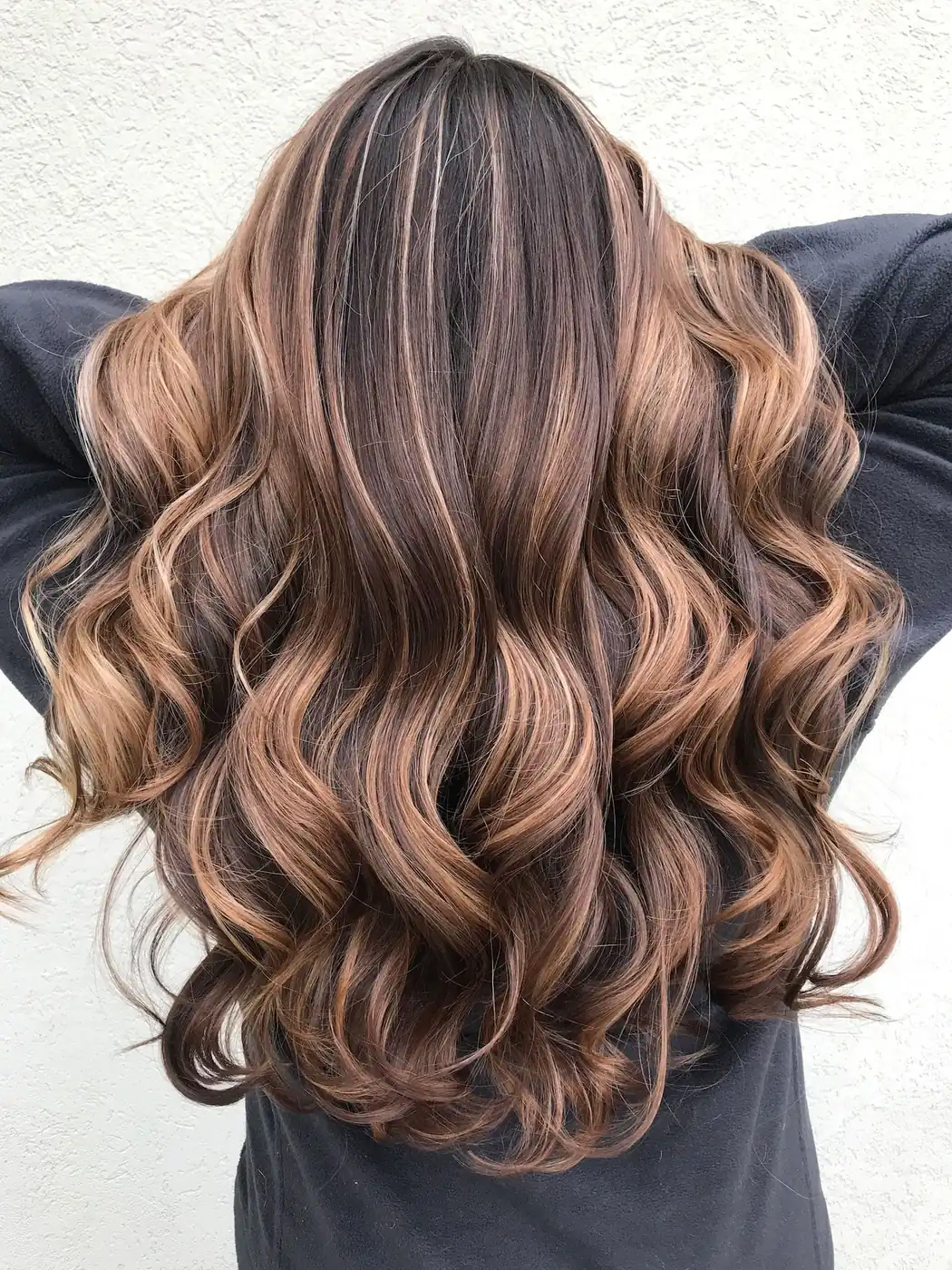
Sometimes the colour and the styling are the same decision. This warm mocha is painted in slightly wider sections so the ribbons read clearly through big blowout waves, the finish every salon photographs and every Pinterest board saves. If you blow dry weekly anyway, this placement gives you the most visible colour for your effort. Ask for the gloss without fail, because mirror shine is half of this look.
Ask your stylist: for wider painted sections that survive a blowout, and a gloss finish for maximum shine.
9. Mocha Latte Balayage for a Brighter Brunette
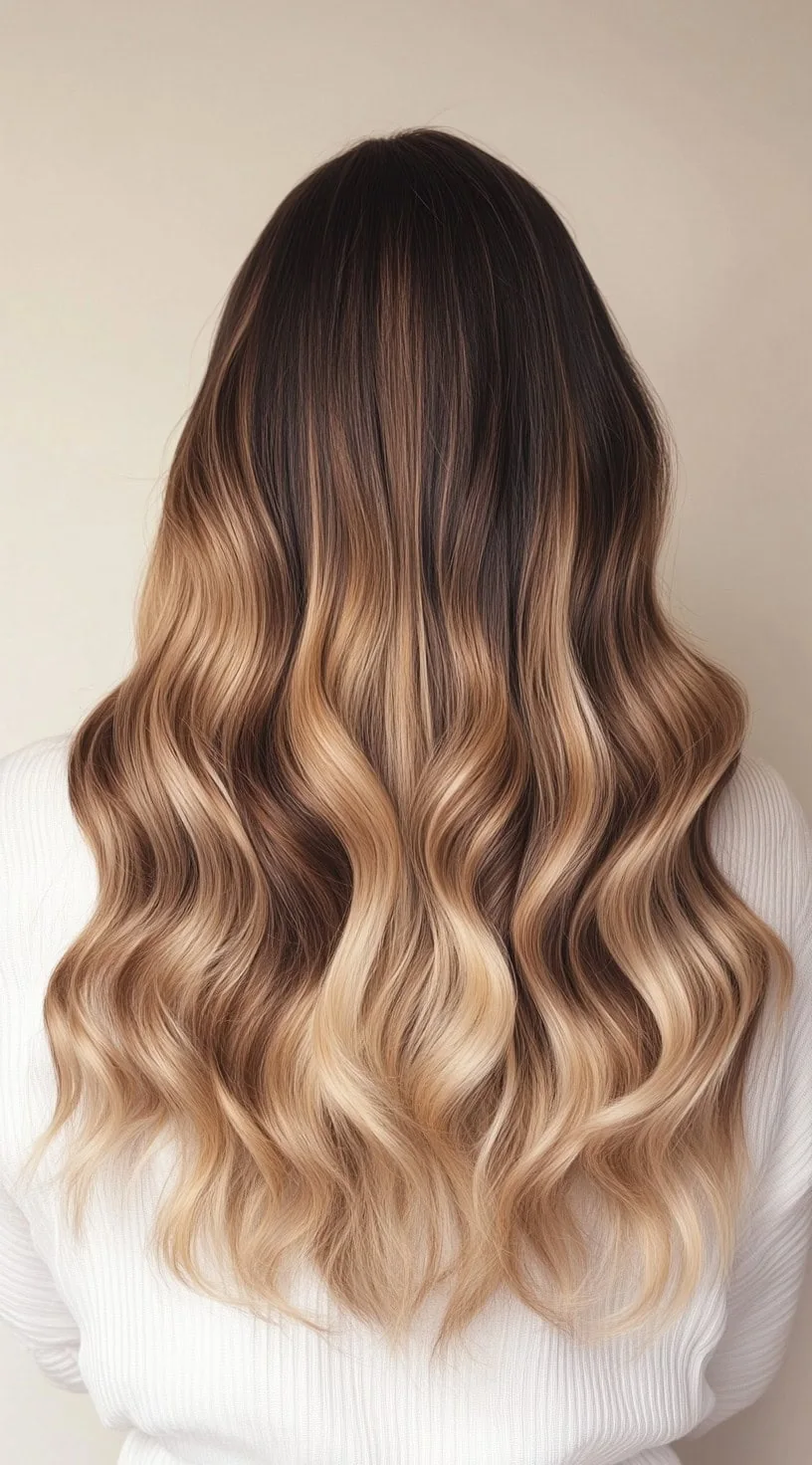
Latte is the lightest member of the mocha family: creamy, milky pieces that take a brunette noticeably brighter without crossing into blonde. It works best on light brown bases, or on dark bases lifted patiently, and it needs a beige toner to stay creamy rather than yellow. Choose it if classic mocha feels too subtle but a full blonde conversion feels like too much life admin.
Ask your stylist: for creamy latte pieces with a beige toner, and an honest answer on how many sessions your base needs to get there.
Cool Mocha: Ash, Iced and Mushroom
Cool mochas are toned with ash, taupe and a whisper of violet, and they flatter fair and cool skin that clashes with golden tones. They ask for one thing in return: a gloss routine that keeps the cool from drifting warm.
10. Iced Mocha Balayage for Cool Undertones
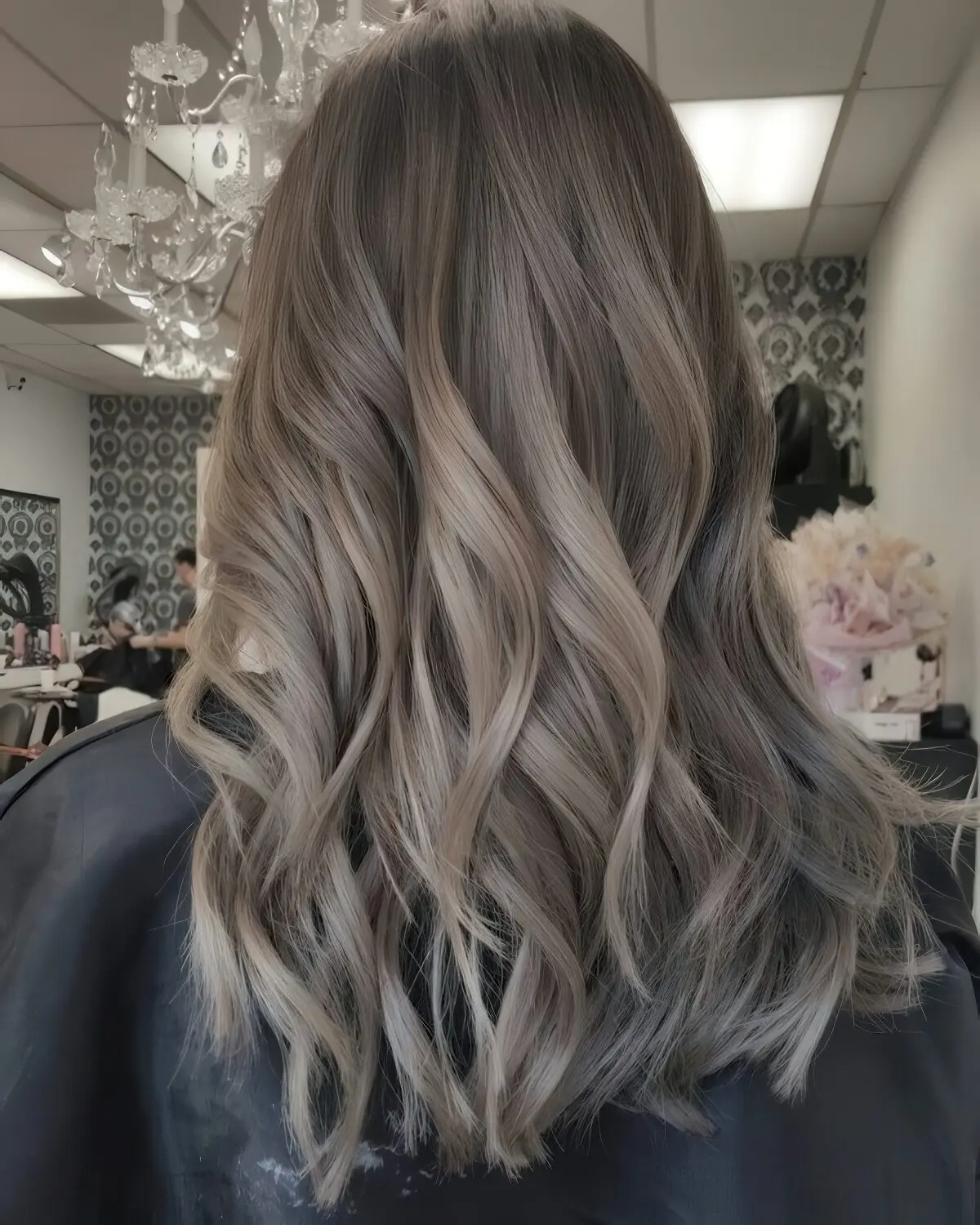
The coolest shade in this guide, all taupe and ash with zero golden warmth. On the right skin it looks strikingly modern, the brunette equivalent of a silver ring. It is also the highest maintenance mocha here, because ash toners fade fastest and warmth creeps back within weeks. A blue shampoo, made for brunettes, used once a week is what keeps the ice in iced mocha between glosses.
Ask your stylist: for a mocha brown with a cool ash toner, say clearly that you want no warm or golden tones, and book your gloss before you leave.
11. Smoky Ash Mocha Balayage
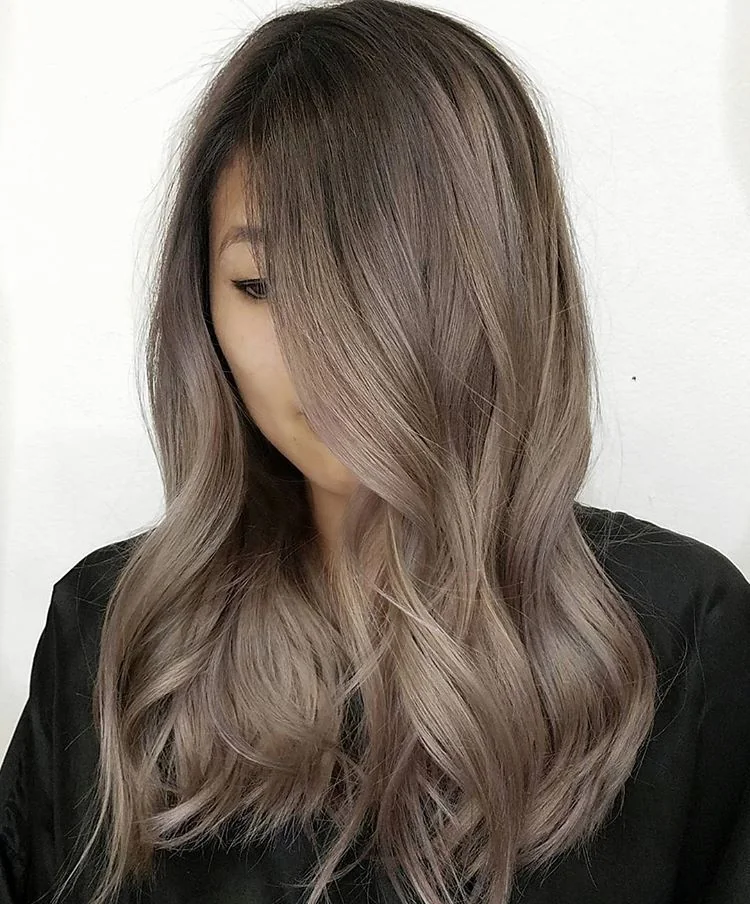
Softer than iced mocha and kinder to more skin tones, smoky ash keeps a little brown warmth underneath the ash so the colour reads expensive rather than grey. Worn with the face visible, you can see how the smoky front pieces cool down the whole complexion. If iced mocha tempts you but scares you, this is the version your colourist will steer you to, and they are right.
Ask your stylist: for ash toned pieces over a brown base, not a grey one, with a warm neutral gloss so it stays smoky instead of flat.
12. Mushroom Mocha with a Taupe Gloss
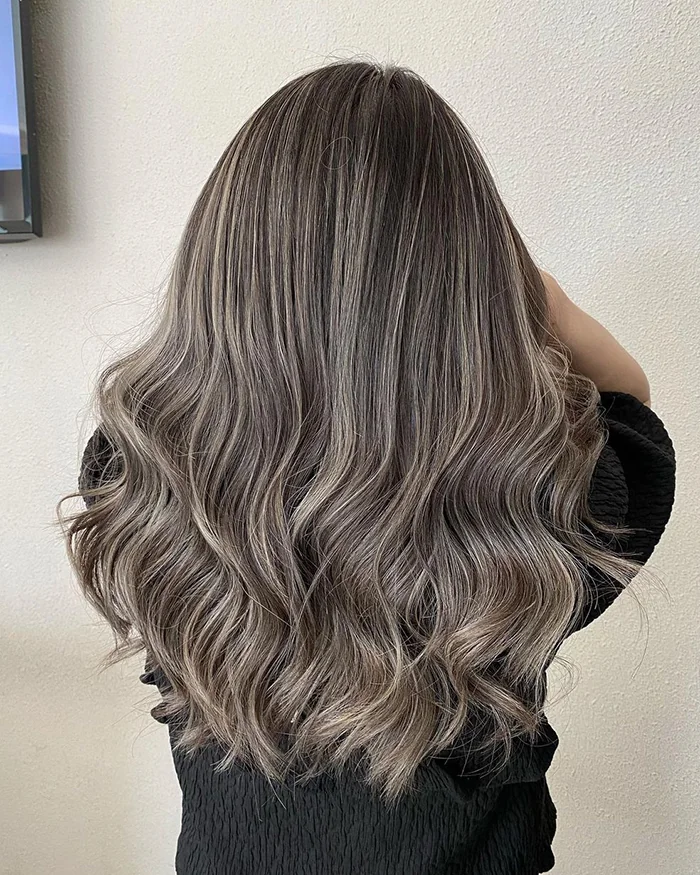
Mushroom brown is the shade salons use when a client asks for cool but natural: grey brown, taupe and mocha blended so finely that no single ribbon stands out. The grow out is superb because the tones sit so close to a natural base. It suits cool and neutral skin and anyone whose hair pulls red the moment it is lightened, because the taupe gloss is built to cancel exactly that warmth.
Ask your stylist: for finely blended pieces toned with a taupe or mushroom gloss, and a toner top up plan for when warmth shows through.
13. Smoky Mocha with Grey Blending
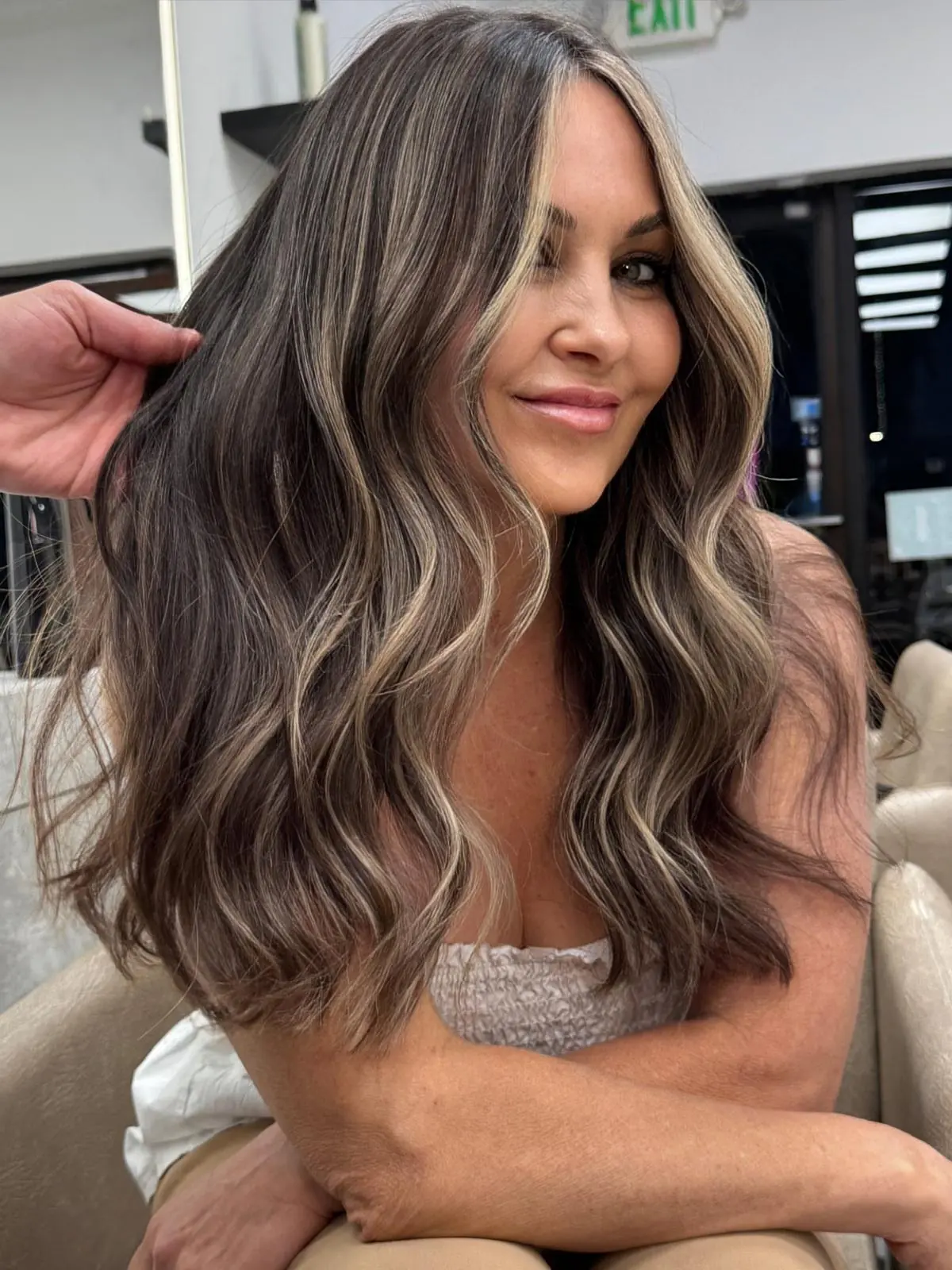
If your roots are coming through grey, mocha can work with them instead of against them. Smoky mocha pieces are painted through the lengths while the grey at the root is softened and blended rather than covered flat, so the line between appointments disappears. It is the most grown up idea in this guide and one of the most requested in salons right now, because it turns regrowth from a problem into part of the colour.
Ask your stylist: for grey blending rather than full coverage, smoky pieces through the lengths, and a gloss that keeps the blend seamless.
14. Cool Mocha Melt with Deep Roots
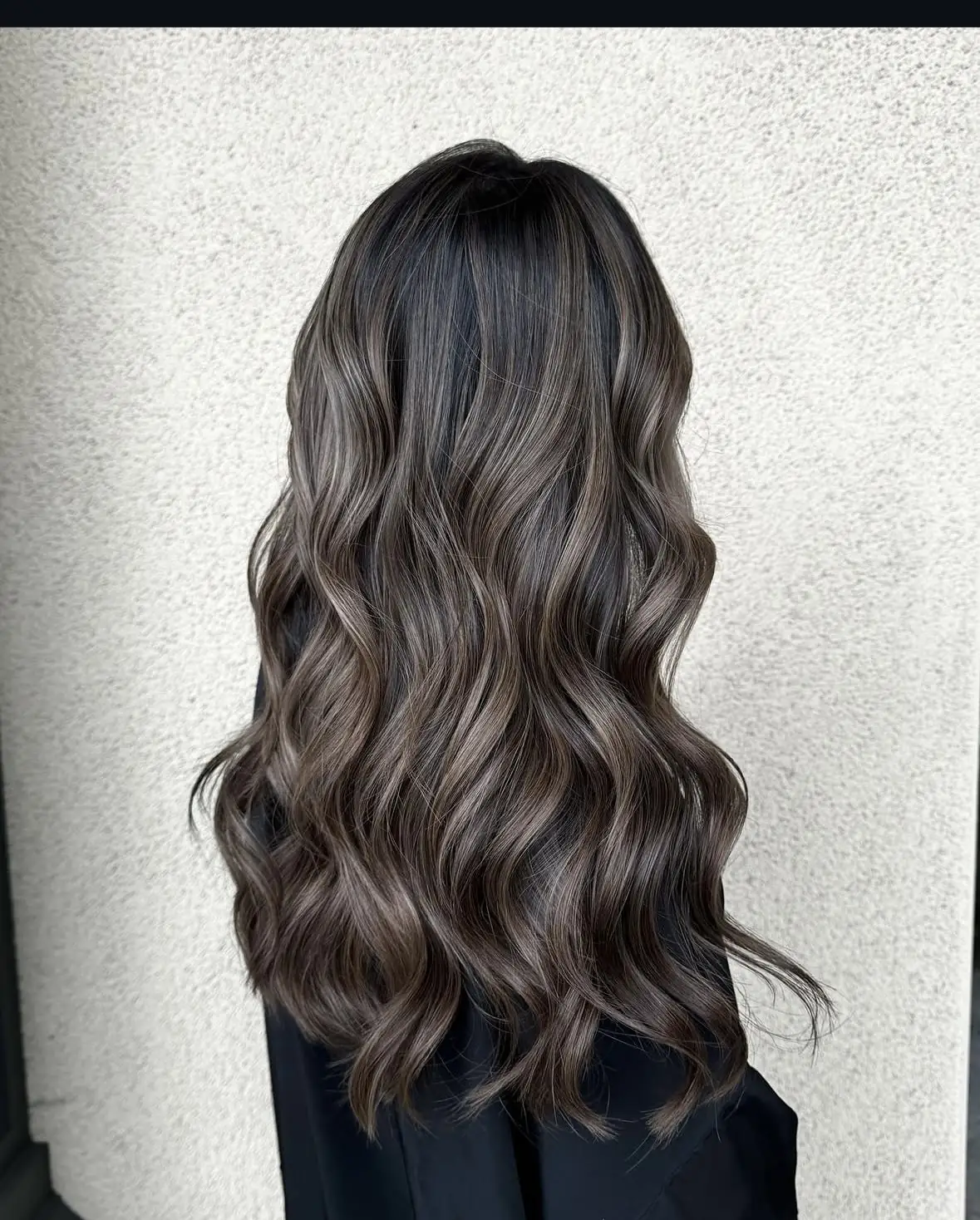
Deep roots, cool lengths, maximum contrast that still behaves. The top stays dark and natural while the waves below are toned cool and ashy, so the colour looks deliberate from every angle. Because the contrast lives in the lengths, the grow out stays soft for months. Style it in waves rather than straight, since the movement is what stops deep roots and light ends from looking like two separate colours.
Ask your stylist: for your natural root kept untouched, cool toned lengths, and the blend concentrated through the mid lengths.
Mocha for Every Hair Type and Length
Tone chosen, the last decision is placement for your hair type. These four adapt mocha to curls, short commitments, shorter lengths and poker straight styling.
15. Mocha Balayage on Natural Curls
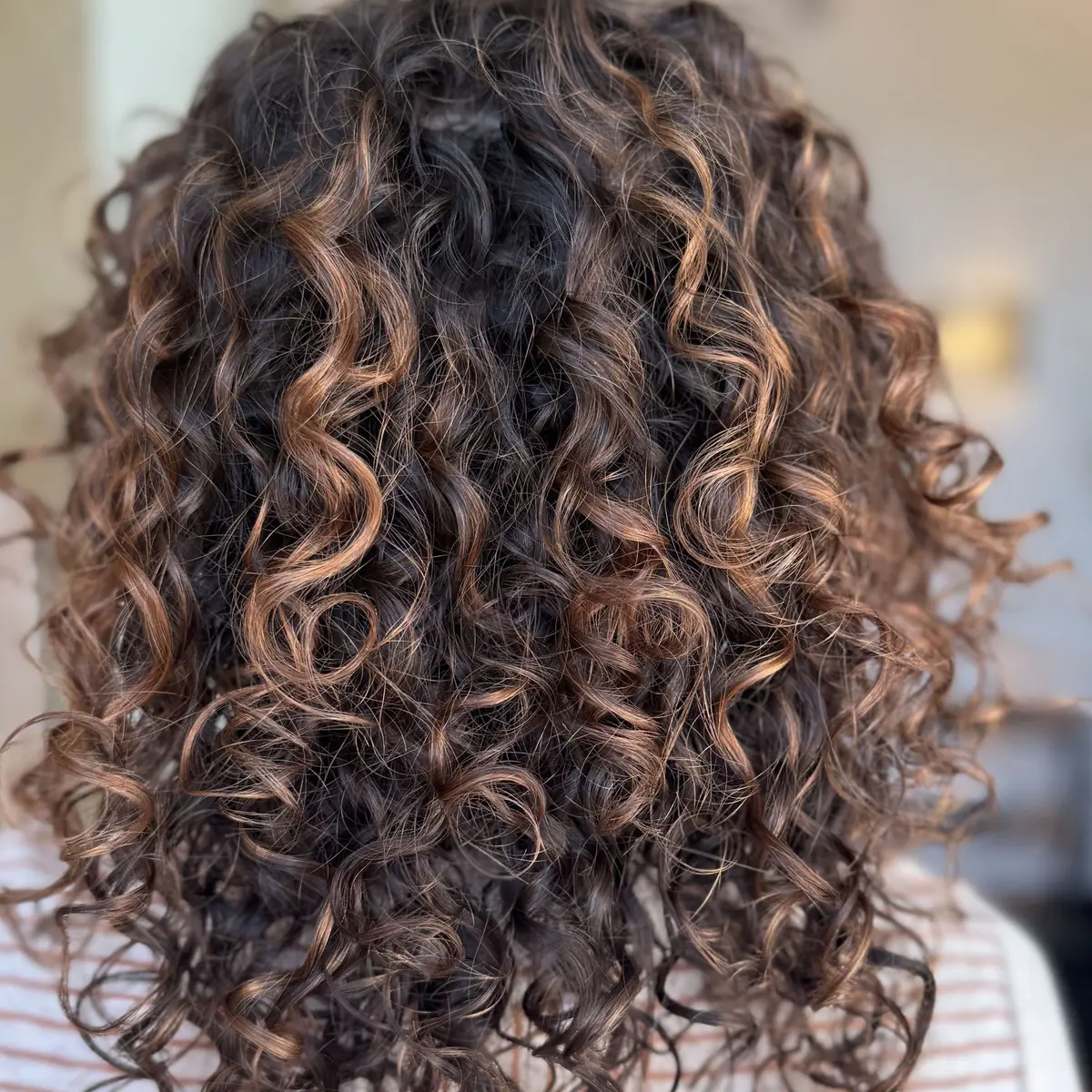
Curls show balayage like nothing else, because every coil catches a different tone and the colour looks alive from every angle. The method matters more than the shade: pieces should be painted on dry curls, in slightly chunkier sections than straight hair takes, so the colour survives the spring of the curl. Lightened curls are thirstier curls, so a bond building treatment in the salon and deep conditioning at home are part of this idea, not extras.
Ask your stylist: for a colourist who paints curls dry, chunkier sections, colour kept mostly to the ends, and a bond treatment in the same visit.
16. Mocha Money Piece, the Low Commitment Try-On
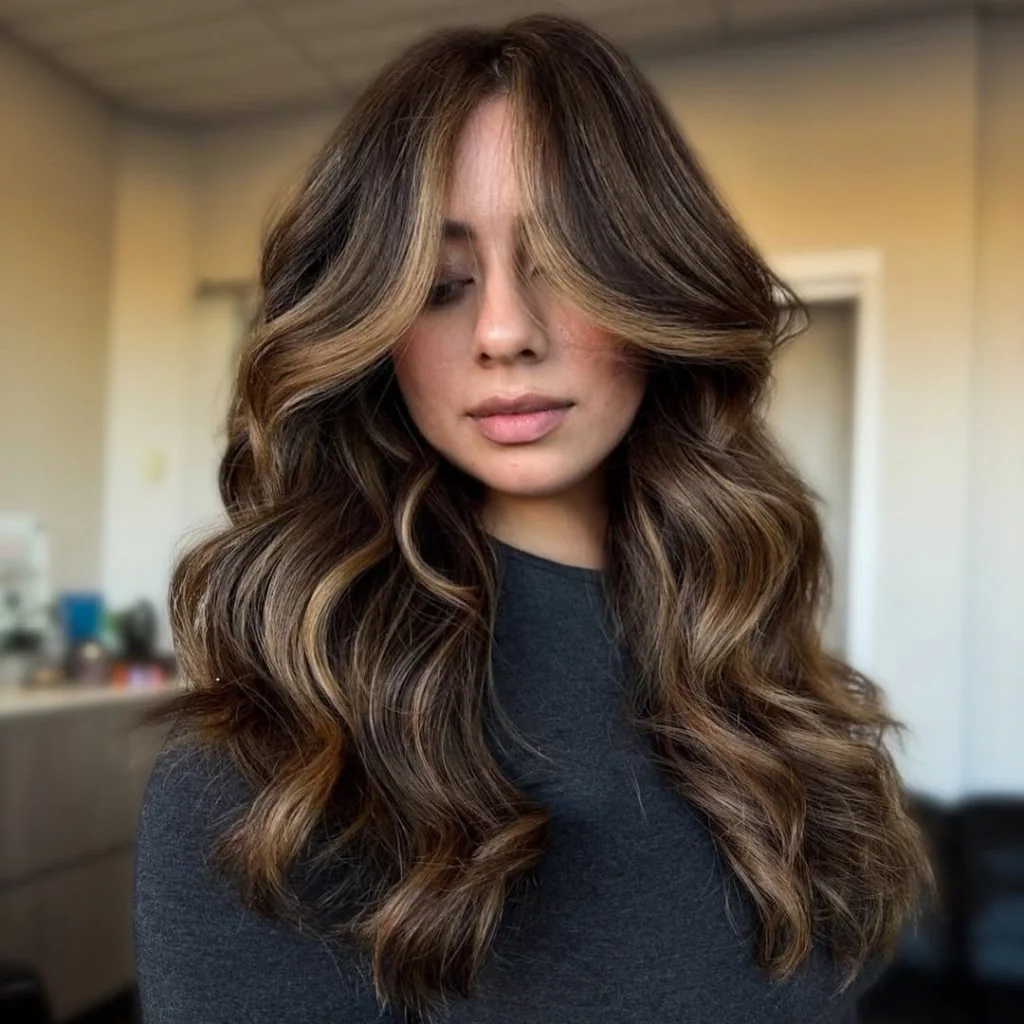
Two lighter mocha latte sections at the front, and the rest of your hair left exactly as it is. The money piece is the cheapest, fastest way to test whether mocha suits your skin before committing to a full head, and it brightens your face in every photo and video call. Keep it one shade lighter than you think you want: a soft frame looks like mocha, a stark one looks like a stripe from another decade.
Ask your stylist: for a soft money piece one shade lighter than your lengths, blended at the root so it grows out without a line.
17. Mocha Balayage on a Wavy Lob
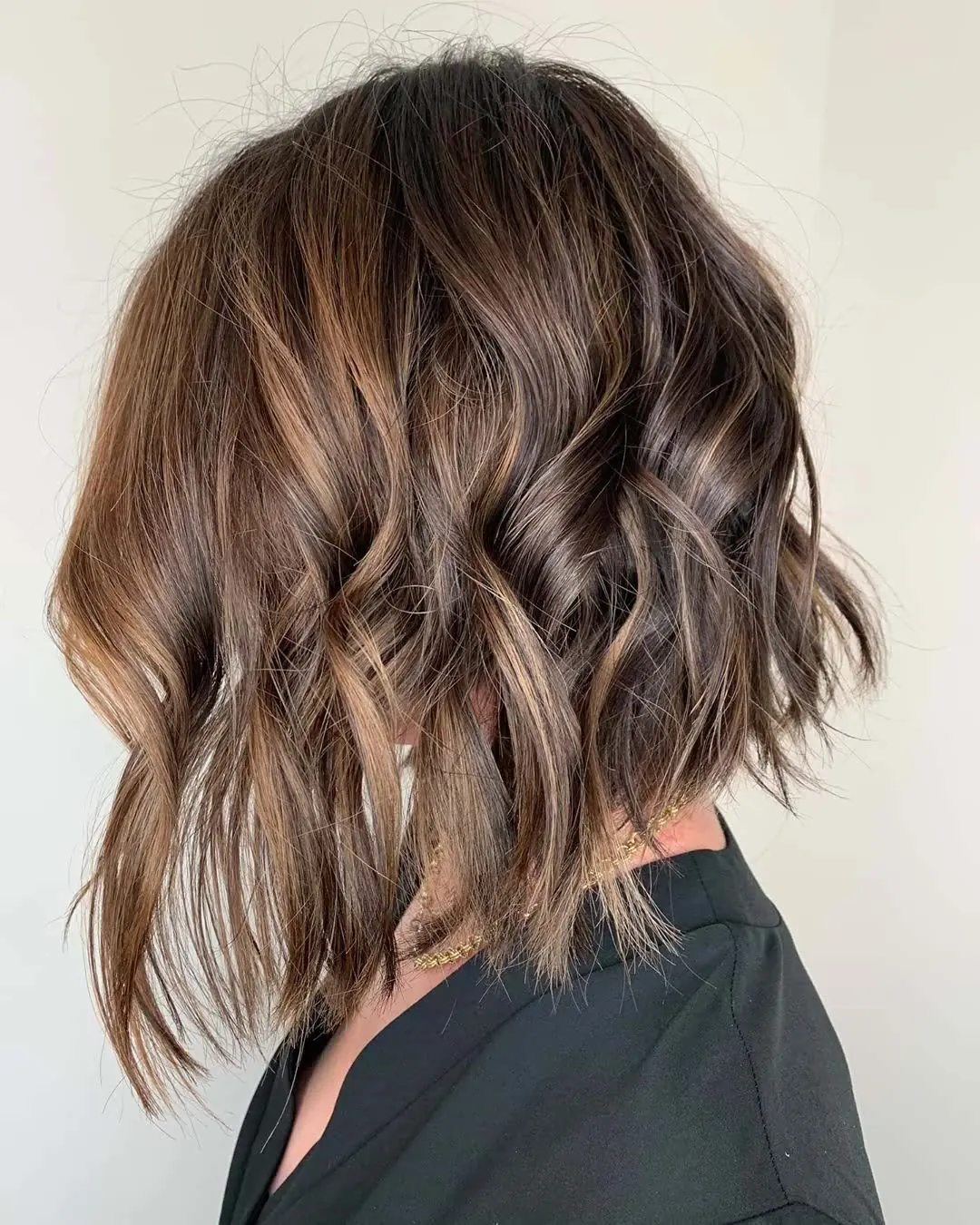
The lob is the most saved cut on Pinterest for a reason, and mocha is its best colour: painted pieces on the ends of each layer make the cut look thicker and more deliberate. Shorter hair shows regrowth faster at the front, so keep the lightest pieces low and let the top stay deep. A trim every eight to ten weeks keeps the shape sharp enough to deserve the colour.
Ask your stylist: for colour painted on the layer ends, the front kept subtle, and a gloss to keep the ends glossy between trims.
18. Glass Hair Mocha, Sleek and Straight
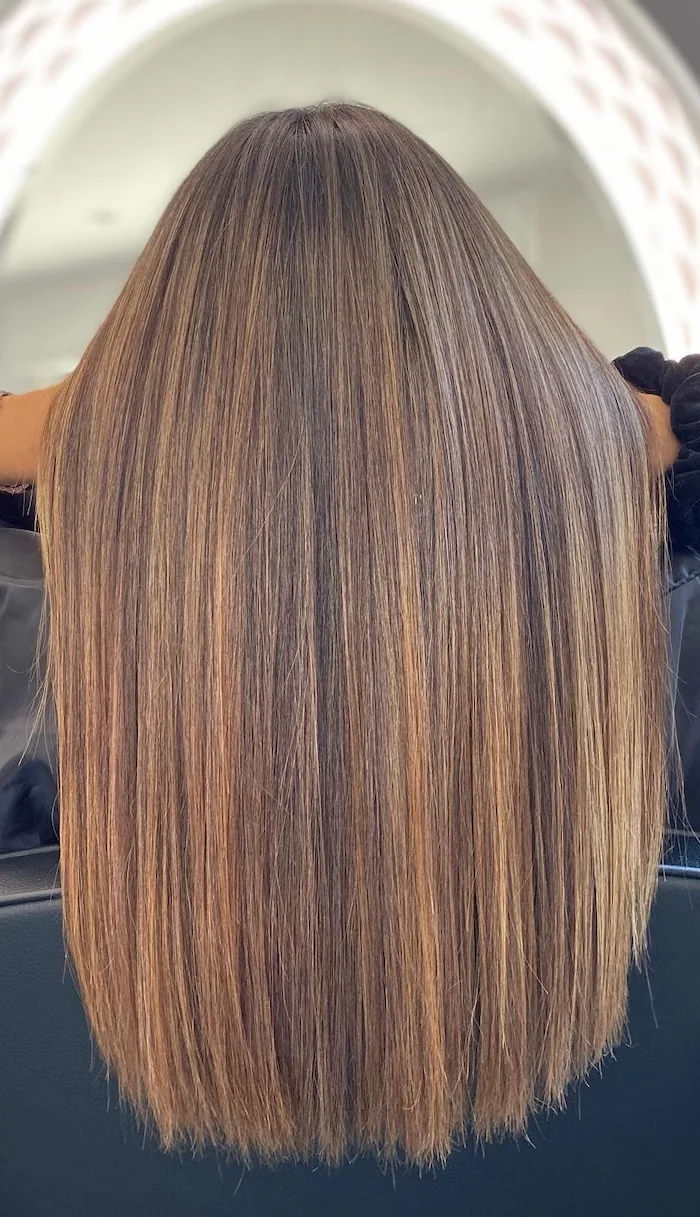
Mocha worn poker straight is a different kind of drama: no waves to hide behind, just ribbons of warm mocha running through a mirror smooth finish. It proves how fine the painting is, because any chunkiness would show immediately. The upkeep is in the styling rather than the salon: a smoothing routine, heat protectant before the straighteners every single time, and a drop of shine oil through the ends.
Ask your stylist: for extra fine painted sections that read well on straight hair, and a gloss for that glass finish.
What to Ask Your Stylist: The Five Sentences
Bring two or three reference photos, ideally in daylight, and then say these five things out loud. Colourists consistently say the happiest clients are the ones who state the choices instead of hoping the photo says them.
- Your tone direction. Warm, neutral or cool. Golden brown or caramel ribbons for warm undertones, neutral beige brown for cooler skin, with enough warmth kept in that it never reads grey indoors.
- Your depth. Subtle or noticeable. One or two levels lighter than your base for subtle, heavier painted ends for more contrast. Both are mocha; they are just different appointments.
- Your placement. Where the lightness lives: a face framing money piece, brightness through the ends only, or ribbons through the whole head.
- Your starting point. Natural dark hair, previously highlighted hair and blonde hair going darker are three different services with different prices and timings. Say which one you are, and ask whether you need a strand test.
- Your finish. A gloss or toner in the same visit, every time. The gloss is what turns lifted hair into mocha, seals the tone and delivers the shine in every photo in this guide.
Keeping It Glossy: Upkeep and Toner Care
Mocha is genuinely low maintenance, but it is not no maintenance. The painted colour itself only needs repainting every three to four months because the grow out is soft. What keeps it looking expensive in between is the gloss: a salon gloss or toner refresh every six to eight weeks restores the tone and the shine, takes about an hour, and typically costs far less than the original appointment. US salon guides put a first full mocha balayage service roughly between 200 and 400 dollars depending on length and city, with gloss refreshes a fraction of that.
At home, treat it like the investment it is. Wash with a sulfate free shampoo in lukewarm water, keep a weekly mask in the routine, and use a blue shampoo once a week if your mocha is cool toned, because blue neutralises the orange that creeps into brunette colour. The American Academy of Dermatology’s healthy hair tips back the same habits: gentle washing, conditioning every wash and heat protectant before any hot tool. Do those, and the colour in the mirror at week ten looks like the colour that left the salon.
What is mocha balayage?
Mocha balayage is a hand painted highlighting technique that lifts pieces of a dark or brunette base by one to three levels and tones them in coffee, chocolate and cocoa shades, finished with a gloss. Because the colour starts through the mid lengths rather than at the root, it grows out softly with no hard line.
Does mocha balayage suit every skin tone?
Almost, as long as the tone direction matches your skin. Warm mochas with golden brown and caramel ribbons suit warm and olive skin. Cool mochas toned with ash and taupe suit fair and cool skin. Classic neutral mocha, a balanced chocolate and coffee, suits most skin tones, which is why it is the most requested version.
Does mocha balayage work on black hair?
Yes. On black hair the pieces are kept fine and lifted in stages toward a chocolate mocha, because black hair lifts slowly and can turn orange if it is rushed. Expect your colourist to suggest one or two sessions, a toner in every visit and bond building care to keep the hair strong.
How long does mocha balayage last?
The grow out stays soft for three to four months before the painted pieces need repainting, because there is no root line. The tone needs refreshing sooner: a salon gloss every six to eight weeks keeps the mocha rich and stops warmth creeping in. With sulfate free shampoo and a weekly mask, the colour holds well between visits.
How much does mocha balayage cost?
It varies with hair length, your starting colour and your city. US salon guides put a first full mocha balayage service at roughly 200 to 400 dollars, including lightening, toning and a gloss. A gloss refresh every six to eight weeks costs much less, typically 60 to 100 dollars, and partial or money piece appointments cost less than a full head.
Can you get mocha balayage on curly hair?
Yes, and curls show the dimension beautifully because every coil catches a different tone. Ask for a colourist who paints on dry curls, uses slightly chunkier sections so the colour shows through the curl pattern, and includes a bond building treatment, because lightened curls need extra moisture and strength.
Mocha balayage works because it asks so little and gives so much: one painted appointment, a gloss every couple of months, and brunette colour that looks richer in real life than most shades look in photos. Pick your tone family, save your favourite idea here, and say the five sentences at your consultation. Then complete the look head to toe with the festive sets in our holiday nails guide, because great colour deserves great nails.